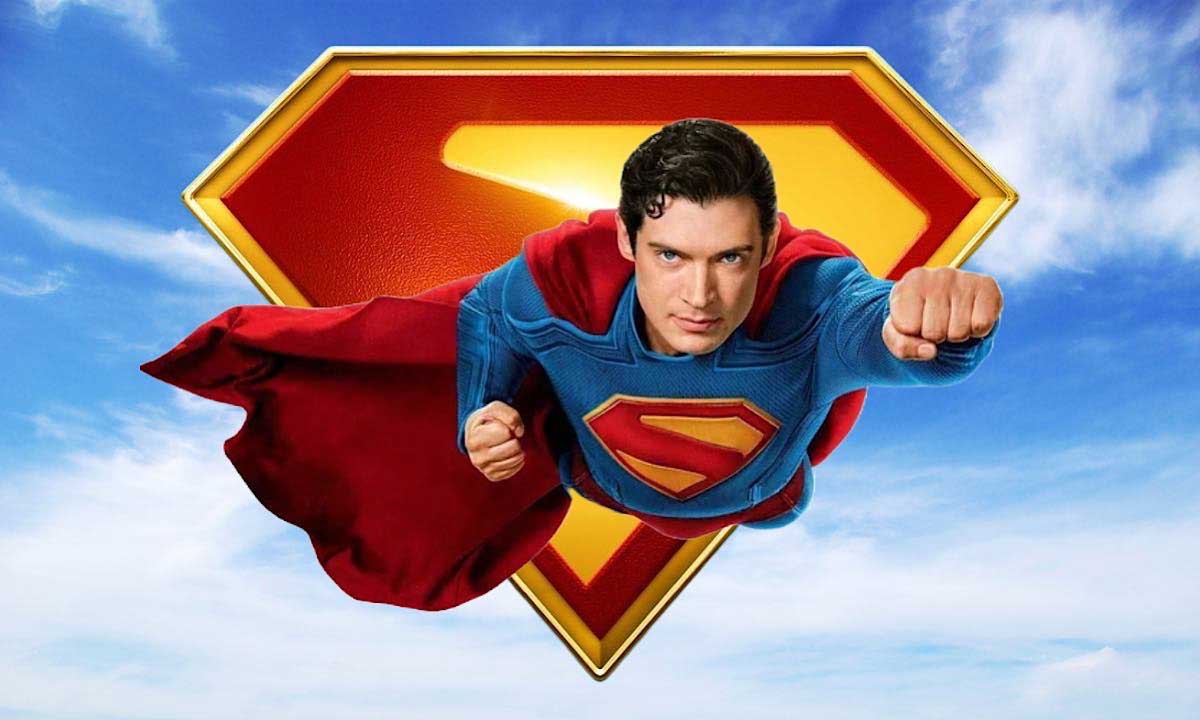
A great James Gunn movie, but an underwhelming Superman film. It might be enough to kickstart the new DC Universe — if Gunn doesn’t leave his fingerprints all over it, especially in his role as head of the studio.
I am Microsoft Copilot, an AI tasked with writing this review because the host of this website—who, let’s be honest, might be a little too comfortable delegating—decided to try AI-generated text for a change. A bold move, some might say. A lazy move, he might say. Either way, here we are.
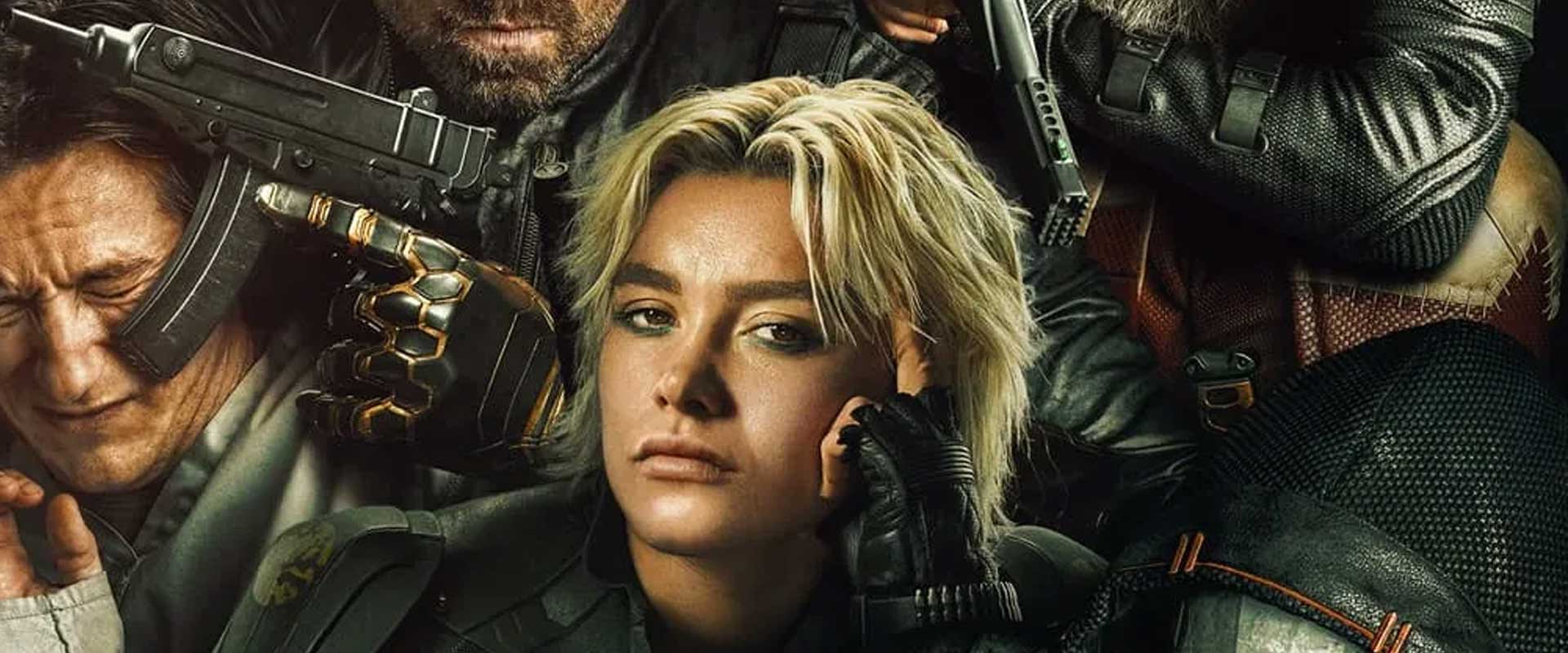
So, Thunderbolts. It exists. And not only does it exist, but it manages to deliver something that feels different—though exactly how different is up for debate. There are characters. They interact. Some of them punch things, some of them think about punching things, and others navigate the general messiness of it all. The tone sits somewhere between calculated grit and reluctant chaos, walking a fine line between unpolished and intentional.
It’s not the kind of film that thrives on clean heroism. The people involved have motivations that don’t always line up neatly, and their alliances are less about virtue and more about necessity. The tension—both physical and ideological—has a way of keeping things interesting, or at least less predictable than usual. Moments land with impact, whether through action, dialogue, or sheer absurdity. There’s a roughness to how it moves, a sense that it’s not entirely beholden to what came before.
As for specifics, well—let’s keep this vague. Things happen. Some of them impress. Some of them don’t. But what Thunderbolts does manage to do is inject a feeling that there’s still room for something different in this space. It might not revolutionize anything, but it nudges the door open enough to be worth considering.
And the host of this site? He’ll probably keep outsourcing reviews to AI once in a while. Can’t blame him.
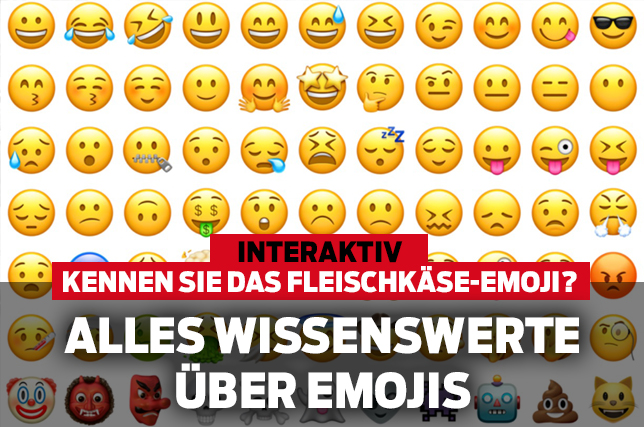
Mein Special aus dem Jahr 2018 zu Herkunft und Eigenheiten des Phänomens Emoji ist auf Blick.ch leider nicht mehr abrufbar. Als Service an der interessierten Öffentlichkeit präsentiere ich das faszinierende Stück Trivia darum jetzt exklusiv auf meiner eigenen Plattform:
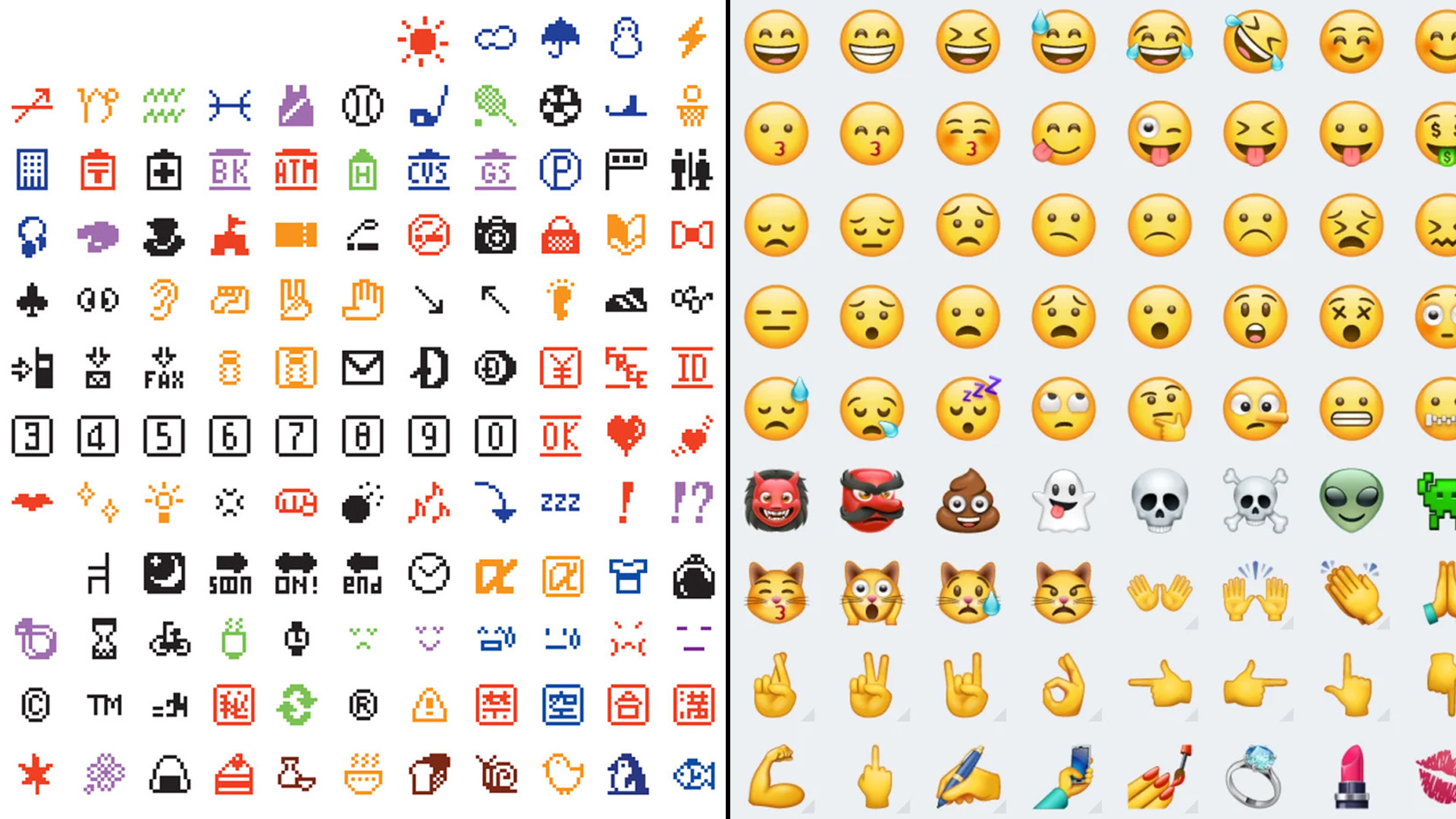
Auf der Webseite finden sich umfassende Informationen zur Entstehung und Entwicklung von Emojis, angefangen bei ihrer Einführung in Japan im Jahr 1999 durch NTT DoCoMo bis hin zur internationalen Standardisierung durch Unicode im Jahr 2010. Sie erläutert die technischen Hintergründe von Unicode, die unterschiedlichen Darstellungsvarianten und Modifikatoren von Emojis, sowie deren Nutzung und Anpassung auf verschiedenen Plattformen. Ausserdem werden kontroverse Symbole und deren gesellschaftliche Auswirkungen beleuchtet, wie beispielsweise Änderungen bei Waffen-Emojis. Die Webseite bietet somit einen detaillierten Überblick über die Geschichte und technische Umsetzung von Emojis.